
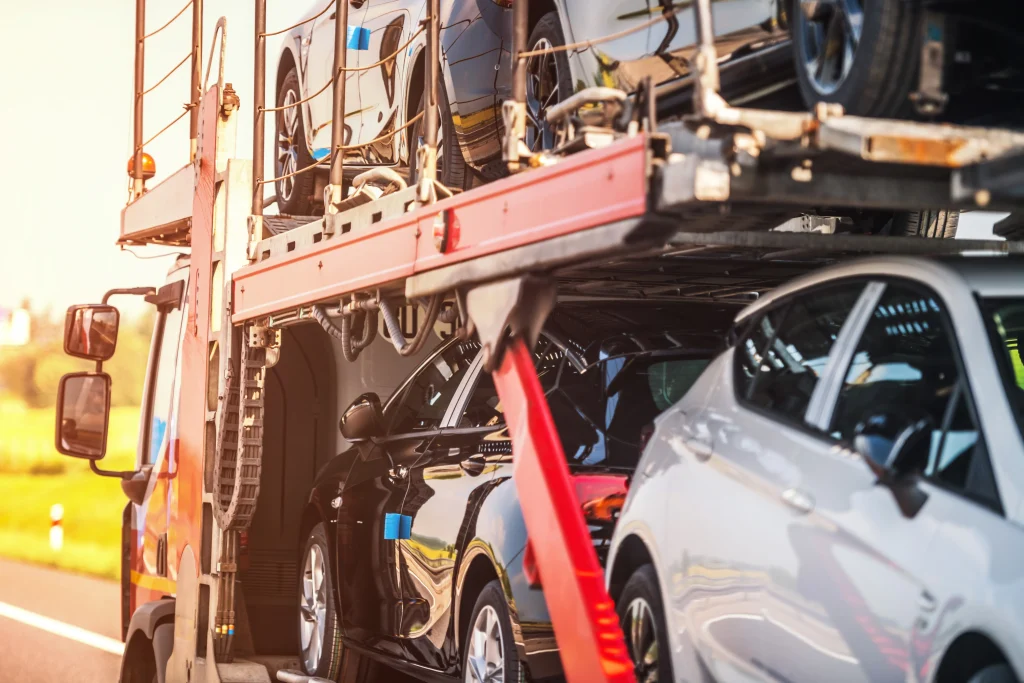
Choosing the right shipping method is an important part of arranging vehicle transportation. Open and enclosed car transport can both move vehicles over long distances, but each option has different characteristics, costs, and potential advantages.
SolarTrack Auto Transport helps customers explore vehicle shipping options from North Las Vegas, Nevada, and for eligible interstate routes. Understanding the differences between open and enclosed transport can help you make a decision based on your vehicle, budget, and preferences.
What Is Open Car Transport?
Open car transport uses a specialized trailer without a fully enclosed roof and sides. Multiple vehicles can be carried on the same trailer, making this a common method for transporting everyday automobiles.
Open transport is frequently used for sedans, hatchbacks, SUVs, pickup trucks, and many standard passenger vehicles. It is often more economical than enclosed shipping, although the actual price depends on the route, vehicle, timing, and available carrier capacity.
Advantages of Open Transport
Often more economical: Open transport is commonly a cost-effective choice for standard vehicles.
Commonly available: Open carriers serve many popular routes, although availability and scheduling vary.
Suitable for everyday vehicles: Many cars used for commuting, family transportation, and general driving can be shipped this way.
What Should You Consider?
Because the trailer is open, the vehicle remains exposed to normal outdoor conditions, including rain, dust, road grime, and other environmental factors.
This does not mean open transport is inherently unsuitable. However, customers with vehicles that have delicate finishes or special preservation requirements may prefer to investigate enclosed transport.
What Is Enclosed Car Transport?
Enclosed car transport places vehicles inside a covered trailer. The trailer helps shield the vehicle from direct weather exposure and road debris compared with an open carrier.
This option is often considered for classic cars, collectible automobiles, luxury vehicles, restored cars, and specialty models. It may also suit customers who simply prefer a covered transportation environment.
Advantages of Enclosed Transport
Covered transportation environment: The trailer helps limit direct exposure to weather and road debris.
Suitable for specialty vehicles: Owners of classic, restored, or collectible cars may prefer enclosed shipping.
An option for additional peace of mind: Some owners value the covered environment when transporting a vehicle that requires particular care.
What Should You Consider?
Enclosed transport generally costs more than open shipping and may be less available on some routes. The vehicle’s dimensions, loading requirements, route, and carrier capacity can affect the quote.
Do not assume that enclosed transport automatically provides a specific insurance limit or guaranteed handling procedure. Confirm the actual carrier arrangements and applicable coverage before booking.
Open vs. Enclosed Transport: Quick Comparison
Feature Open Transport Enclosed Transport
Trailer Open carrier Covered trailer
Weather exposure Exposed to outdoor conditions Helps shield the vehicle from direct exposure
Typical price Often lower Generally higher
Common uses Everyday vehicles Classic, luxury, collectible, specialty vehicles
Availability Often widely available May be more limited
Main consideration Cost and practical convenience Additional protection from outdoor exposure
These are general differences. Actual service features depend on the carrier and written agreement.
Which Option Is Right for an Everyday Car?
For many standard vehicles, open transport is a practical option. It is commonly used for everyday cars and can provide an economical way to move a vehicle across a state or between distant locations.
Consider your vehicle’s condition, exterior finish, transport distance, budget, and comfort with outdoor exposure. If the vehicle has unusual requirements, discuss them before selecting a carrier.
Which Option Is Right for a Classic or Luxury Vehicle?
Enclosed transport may be worth considering for a classic, collectible, restored, or luxury automobile. The covered trailer helps limit direct exposure to weather and road debris.
However, the appropriate method depends on the vehicle and your requirements. Ask about loading procedures, carrier type, applicable cargo coverage, exclusions, deductibles, and claim procedures. A higher price should be weighed against the particular protection and service features actually offered.
Questions to Ask Before Booking
Before confirming a shipment, ask the provider:
What type of trailer will transport my vehicle?
What pickup and delivery window should I expect?
What coverage applies to this shipment?
Are there exclusions, deductibles, or liability limits?
What additional charges could apply?
Can the carrier safely access both locations?
What paperwork should I review at pickup and delivery?
Clear answers help you compare transportation options based on service details rather than price alone.
Conclusion
Open transport is often a practical and economical option for everyday vehicles. Enclosed transport may be preferable for customers who want a covered environment for classic, luxury, or specialty vehicles.
SolarTrack Auto Transport offers information about both shipping methods, along with door-to-door and state-to-state transportation options. Contact us to discuss your vehicle and explore an arrangement that fits your needs.
Phone: (702) 276-8562
Email: info@solartrackautotransport.us